

New to Canada?
If you’re new to Canada, don’t miss our Newcomers to Canada: The Ultimate Guide. It covers everything you need to know about settling in Canada, including housing, employment, healthcare, banking, education, government benefits, and much more.
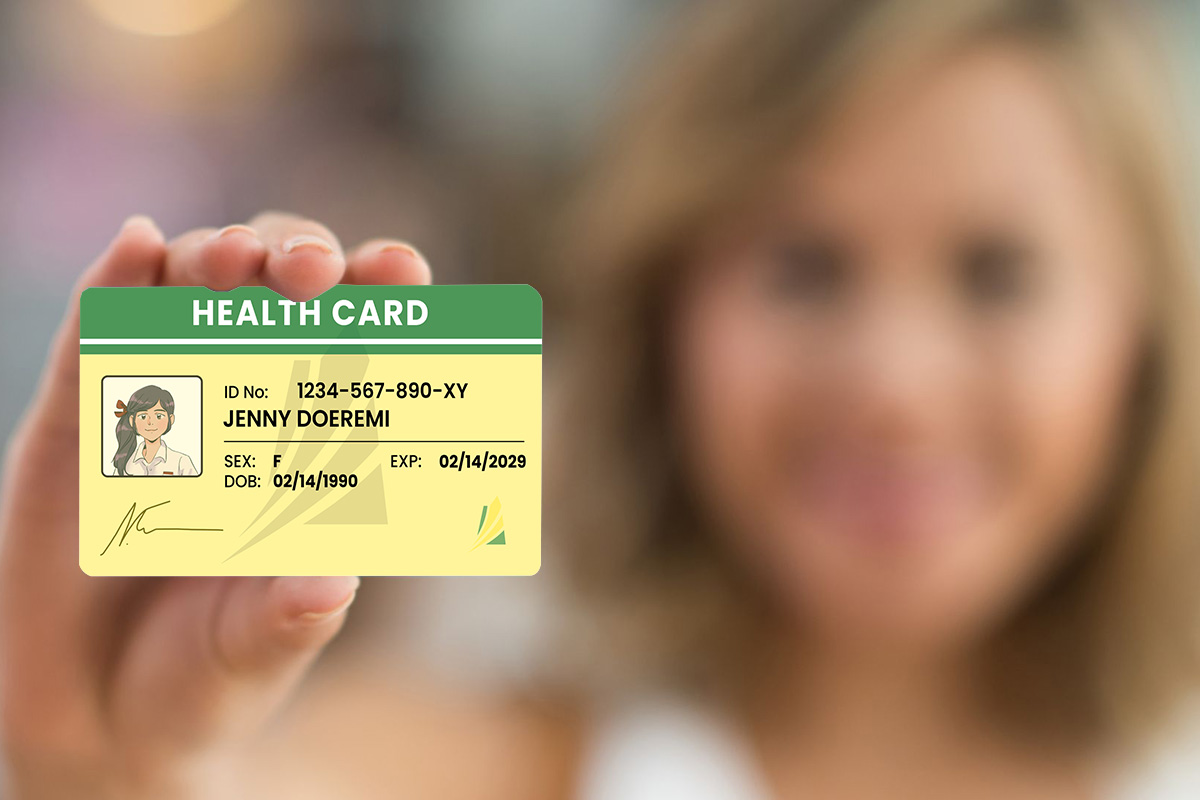
Living in Saskatchewan comes with incredible benefits, and one of the most valuable is access to its publicly funded healthcare system. The Saskatchewan Health Card is your key to ensuring that medical services—from routine check-ups to emergency treatments—are both accessible and affordable. Whether you’re a new resident, an international student, or simply someone needing a refresher on how the process works, this guide will cover everything you need to know to apply for and manage your health card. Grab your Tim Hortons coffee and let’s get started, shall we?
Why Is a Health Card So Important?
Healthcare is a cornerstone of Canadian life, and every province has its own system for managing medical services. In Saskatchewan, the health card enables residents to access a wide range of medical care without the burden of upfront costs. From seeing a family doctor to undergoing diagnostic tests and treatments, having this card ensures that you’re covered under the provincial healthcare plan.
Why is this so crucial? Imagine facing a medical emergency without coverage—you might end up paying a hefty bill out of pocket. A health card provides peace of mind and financial protection. It’s not just a card; it’s your lifeline to staying healthy while living in Saskatchewan.
Eligibility Criteria: Who Can Apply for a Health Card?
Not everyone qualifies for a Saskatchewan Health Card, but the requirements are straightforward. You are eligible if you meet the following conditions:
- Residency: You must be living in Saskatchewan and intend to remain there for at least six months annually. This includes individuals moving from other provinces or countries.
- Legal Status: You must be a Canadian citizen, permanent resident, or hold a valid permit (study, work, or visitor visa).
- Primary Residency: Saskatchewan should be your main place of residence, meaning you cannot apply if you maintain primary residency in another province.
Special Situations
- Newcomers: Individuals newly settling in Saskatchewan, including international immigrants, are eligible once residency requirements are met.
- Students: International or domestic students with a valid study permit can apply.
- Temporary Workers: Workers on short-term contracts are often eligible if their permits are valid and they meet residency criteria.
- Indigenous Communities: Special provisions may apply for members of Indigenous communities.
Understanding your eligibility upfront can save you time and confusion as you begin the application process.
What Documents Will You Need?
You’ll need specific documents to apply for a Saskatchewan Health Card. These documents verify your identity, residency, and legal status, ensuring that you’re eligible to receive healthcare coverage.
Proof of Identity
Your identity documents confirm who you are. Examples include:
- Passport
- Driver’s license
- Birth certificate
- Citizenship certificate
Proof of Residency
Residency documents verify your place of living in Saskatchewan. Acceptable items include:
- Lease or rental agreements
- Utility bills (electricity, water, gas)
- Mortgage statements
- Bank statements with a Saskatchewan address
Additional Documents
Depending on your circumstances, additional documentation may be required:
- Work or study permits for non-Canadian citizens.
- Immigration papers for newcomers.
- Spousal or dependent documents for family applications.
Remember to provide original or certified copies if submitting your application in person. Digital copies must be clear and legible for online applications.
Important Tip
- Photocopy your documents clearly and ensure all information is accurate.
- If you’re submitting online, scan documents in PDF format for easy uploading.
How to Apply for a Saskatchewan Health Card
Now that your documents are ready, you’re set to start the application process. Saskatchewan offers several ways to apply, so choose the one that suits you best:
Option 1: Online Application
Applying online is convenient and fast:
- Visit the eHealth Saskatchewan website.
- Create an account or log in to your existing account.
- Complete the application form, entering details like name, address, and residency information.
- Upload scanned copies of your required documents.
- Submit your application and keep an eye out for confirmation emails.
Option 2: In-Person Application
Prefer human interaction? Here’s how to apply in person:
- Locate the nearest eHealth Saskatchewan office (check the website for locations).
- Bring original documents for verification.
- Fill out the application form onsite.
- Submit everything to a staff member who can answer questions and confirm submission.
Option 3: By Mail
If you’re more comfortable with traditional methods, you can apply by mail:
- Download the application form from the eHealth Saskatchewan website.
- Fill out the form carefully, ensuring all details are correct.
- Attach photocopies of your supporting documents.
- Mail the application to the designated address (double-check for postage accuracy).
No matter which method you choose, attention to detail is critical. A small mistake in your application could result in delays or rejections.

How Long Does It Take to Process Your Application?
You’ve submitted your application—what’s next? Processing times vary but typically range from two to four weeks. Here’s what you can expect:
- Online Applications: Often faster due to automated systems.
- Mail Applications: May take slightly longer due to postal transit times.
- In-Person Applications: Similar processing time to online submissions.
If you experience delays, contact eHealth Saskatchewan for assistance. They can provide updates and help resolve any issues.
Temporary Coverage Options
What happens if you need medical care before your health card arrives? Here are some interim solutions:
- Private Insurance: Temporary private insurance can fill the gap for unexpected medical expenses.
- Provincial Aid: Saskatchewan offers transitional programs for those waiting for coverage, particularly newcomers.
- Emergency Coverage: If you require urgent care, hospitals may have systems to assist temporarily without upfront payment.
Planning ahead ensures that you’re protected during the waiting period.
Renewing and Updating Your Health Card
Life happens—people move, marry, change names, and more. Keeping your health card up to date is important for ensuring uninterrupted coverage.
Renewing Your Card
Renewals are required periodically. You can do this:
- Online through your eHealth account.
- In-person at an eHealth office.
Updating Personal Information
If you’ve changed your address, marital status, or name, you’ll need to notify eHealth Saskatchewan:
- Log into your online account.
- Submit updates electronically.
- Alternatively, visit an eHealth office or mail the updated information.
Staying on top of renewals and updates keeps your card valid and ensures uninterrupted access to healthcare.
Replacing a Lost or Stolen Health Card
Lost your health card? Don’t worry—it’s easy to get a replacement. Here’s how:
- Report the loss to eHealth Saskatchewan.
- Complete the replacement application online or in person.
- Provide necessary identification for verification.
Replacements are processed quickly, ensuring you’re not left without coverage.
Extending Coverage to Family Members
If you have dependents, such as a spouse or children, they can also be covered under the Saskatchewan healthcare plan. Here’s how it works:
1. Spouse: When applying for your health card, you can include your spouse’s information on the same application form. Ensure that they meet the residency and legal status requirements.
2. Dependent Children: Children under 18 (or 25 if they are full-time students) can be included as dependents. You’ll need to provide their birth certificates or adoption papers as proof of relation.
3. Newborns: If you’ve recently welcomed a baby, register them for a health card as soon as possible. Hospitals often assist with newborn registrations during birth documentation.
Family applications simplify the process, allowing you to ensure that everyone in your household is covered under the same health plan.
Common Mistakes to Avoid During the Application Process
Sometimes, the simplest mistakes can cause delays in getting your Saskatchewan Health Card. To avoid unnecessary hiccups, keep the following tips in mind:
1. Incomplete Forms: Double-check that every section of the application form is filled out. Missing details can result in your application being sent back for completion.
2. Incorrect Information: Make sure all the information you provide—such as your name, address, and contact details—is accurate. A simple typo can slow things down.
3. Using Unacceptable Documents: Not all documents are accepted as proof of identity or residency. For example, cell phone bills may not qualify. Refer to the official eHealth Saskatchewan list of acceptable documents to avoid submitting invalid ones.
4. Submitting Illegible Copies: If you’re applying online or by mail, ensure that the scanned or photocopied documents are clear and easy to read. Blurry images or smudged text may result in processing delays.
5. Waiting Too Long to Apply: New residents should apply for their health card as soon as they’re eligible. Waiting too long can leave you without coverage when you need it most.
By keeping these common errors in mind, you’ll increase the chances of having your application approved without any snags.
Benefits of Having a Saskatchewan Health Card
A health card does more than grant you access to healthcare services—it also simplifies your life in many ways. Let’s explore some key benefits:
1. Free or Subsidized Healthcare: The card covers many essential medical services, including visits to family doctors, diagnostic tests, and hospital treatments. You won’t have to worry about paying for these out of pocket.
2. Ease of Medical Access: With a health card, healthcare providers can quickly retrieve your medical records, ensuring you get the right treatment without unnecessary delays.
3. Emergency Care: In the event of a medical emergency, having a health card ensures you’re covered, reducing the financial burden of hospital stays or urgent treatments.
4. Support for Chronic Conditions: If you require ongoing treatment for a chronic condition, such as diabetes or hypertension, a health card ensures that the necessary medical services are available and affordable.
5. Access to Additional Programs: The card also enables access to various provincial health programs, including immunizations, prenatal care, and mental health services.
Understanding the advantages of having a health card underscores its importance and motivates timely application.
How Saskatchewan’s Healthcare Compares to Other Provinces
Saskatchewan’s healthcare system offers robust coverage, similar to other provinces, but with some unique features:
- Shorter Wait Times: Saskatchewan has invested heavily in reducing wait times for surgeries and other treatments.
- Comprehensive Mental Health Services: Access to mental health programs is prioritized, helping individuals manage mental wellness effectively.
- Rural Health Initiatives: The province has programs specifically aimed at improving healthcare access in remote and rural areas.
While the core healthcare benefits remain consistent across Canada, these provincial perks make Saskatchewan’s system stand out.
Did You Know
- that the Saskatchewan Health Card provides coverage for emergency medical services anywhere in Canada? For international travel, additional health insurance is recommended.
- that newborns are automatically eligible for a Saskatchewan Health Card and can be registered through their parents’ health insurance account?
- that Saskatchewan Health Cards must be renewed every five years to maintain coverage? Renewal notifications are sent by mail.
- that certain services, such as prescription drugs and dental care, aren’t covered by the health card? Many residents use private insurance to cover these gaps.
You’ve Got Your Health Card—Now What? Congratulations—you’ve completed the first step! Now let’s make it count. Discover how to find and register with a family doctor in Canada, so you can access full healthcare coverage and peace of mind.
Find your family doctor today!

More FAQs About Saskatchewan Health Card
Here are answers to common queries about applying for a Saskatchewan Health Card:
Conclusion
Applying for a Saskatchewan Health Card is a straightforward process that opens the door to comprehensive medical coverage. By understanding the eligibility requirements, gathering necessary documents, and following the steps outlined here, you’ll be well on your way to accessing healthcare without hassle.
Whether you’re a newcomer, a student, or a long-term resident, the health card ensures you’re protected from unexpected medical costs. Don’t wait—apply today and embrace the peace of mind that comes with knowing you’re covered.
Life in Saskatchewan is full of opportunities, and a health card is one of the essential tools to make the most of it. Cheers to good health and happy living in the Land of the Living Skies!
Read More Helpful Resources on All Review
Looking for more Canadian resources? Browse our collection of in-depth guides covering government benefits, housing, education, banking, and much more—all designed to help you navigate life in Canada with confidence.
Other Provinces Healthcare Plan
Government, Education & Living in Canada
- Are Banks Open Today (or Tomorrow)?
- Canada Benefits and Payment Dates
- CRA My Account Registration Guide
- Social Insurance Number (SIN) Application Guide
- My Service Canada Account (MSCA) Guide
- Food Banks in Canada Directory
- Best Universities in Canada
- Best Cities to Live in Canada
- Cheapest Places to Live in Canada
- Warmest Places to Live in Canada
- Buying a House in Canada Guide
Additional Resources and Support
- Visit Saskatchewan Health Card website for official details.