
Don’t Miss Any Canadian Statutory Holidays. Every province has its own holiday schedule. Compare statutory holiday dates across every province and territory with our complete Canada Statutory Holidays 2026 guide, and stay one step ahead when planning your year.
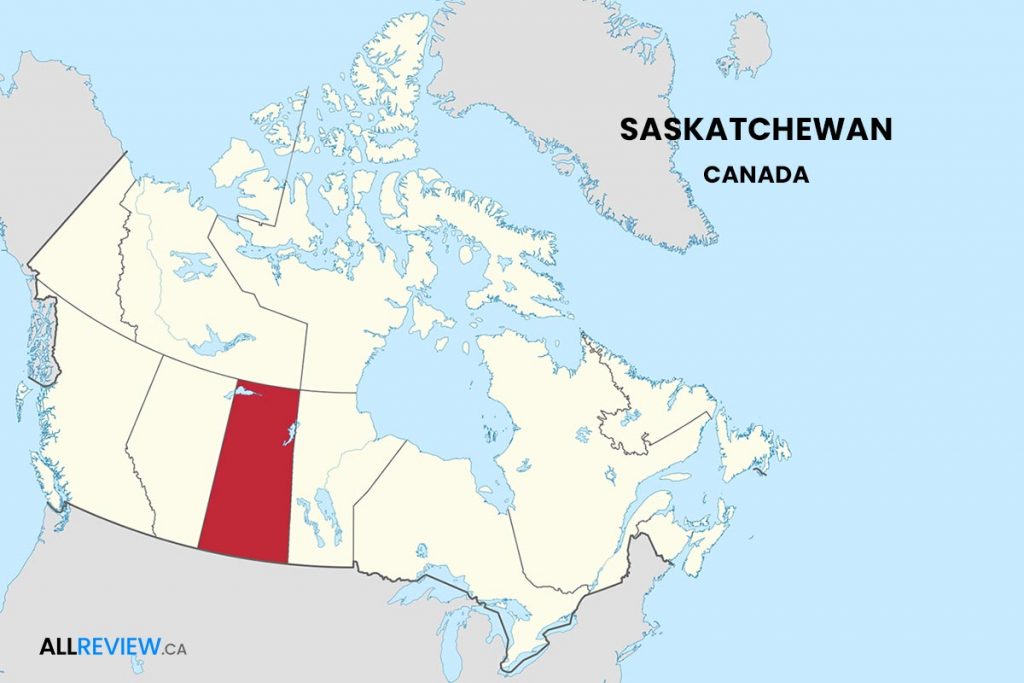
Saskatchewan, a province in Canada’s heartland, is home to a vibrant tapestry of stat holidays that reflect its rich history and diverse culture. From the celebration of family and community on Family Day, to honoring the labor movement on Labour Day, Saskatchewan’s statutory holidays offer a chance for its residents to pause and appreciate the values and traditions that bind them.
Whether it’s the festive cheer of Christmas, the reflective pause of Remembrance Day, or the joy of outdoor activities on Victoria Day, each holiday carries its own significance and charm. These days not only provide a break from the daily grind but also foster a sense of togetherness and provincial pride. What else are you curious about?
This article will detail all the holidays in Saskatchewan for 2026. You’ll also discover the history and significance of each holiday, as well as the rules for statutory holiday pay.
| QUICK LINKS | |
|---|---|
| Saskatchewan Statutory Holidays for 2025 – 2026 | Saskatchewan Holidays Most Asked Questions on Google |
| Canada Public Holidays Glossary of Terms | More Saskatchewan Holidays FAQs |
Saskatchewan Statutory Holidays for 2025 – 2026
Each province in Canada, including Saskatchewan, designates statutory holidays to honor cultural and historical events. On these days, employees are entitled to a paid day off or receive premium pay if they work.
The regulations for statutory holidays in Saskatchewan are outlined in the Employment Standards Act.
| HOLIDAY | 2025 | 2026 | OBSERVANCE |
|---|---|---|---|
| New Year’s Day | January 1, Wed | January 1, Thu | National, Federal |
| Family Day* | February 17, Mon | February 16, Mon | Federal |
| Good Friday | April 18, Fri | April 3, Fri | National, Federal |
| Victoria Day* | May 19, Mon | May 18, Mon | Federal (except NS, PEI & QC) |
| Canada Day | July 1, Tue | July 1, Wed | National, Federal (except MB) |
| Saskatchewan Day* | August 4, Mon | August 3, Mon | Federal |
| Labour Day | September 1, Mon | September 7, Mon | National, Federal |
| Thanksgiving Day* | October 13, Mon | October 12, Mon | Federal (except NS & PEI) |
| Remembrance Day* | November 11, Tue | November 11, Wed | Federal (except MB, NS, ON & QC) |
| Christmas Day | December 25, Thu | December 25, Fri | National, Federal |
* – Federal and/or Provincial
Saskatchewan Stat Holidays Pay Rules
Above is a list of Saskatchewan public holidays, along with their observation dates each year. For most employees, these are paid days off. However, some may be required to work and would receive special wage rates.
If a business is typically open on Sundays, public holiday pay rules apply to that day. However, if a business is usually closed on Sundays, and New Year’s Day, Christmas Day, or Remembrance Day fall on a Sunday, the following Monday is observed as a public holiday. Canada Day is governed by Canada’s Holidays Act, which stipulates that if July 1 falls on a Sunday, the holiday is observed on Monday, July 2. If a public holiday falls on a Saturday, it is not observed on another day.
Most eligible employees have the right to take public holidays off and receive public holiday pay.
However, if an employee agrees (either electronically or in writing) to work on a public holiday, they have two options for compensation:
Regular wages plus a substitute holiday: The employee will be paid their regular wages for all hours worked on the public holiday. Additionally, they will receive another day off as a substitute holiday, for which they will be paid public holiday pay.
Public holiday pay plus premium pay: The employee will receive public holiday pay along with premium pay for all hours worked on the holiday. In this case, they will not get an additional day off, which is known as a “substitute” holiday.
Did You Know…
- that in Saskatchewan in addition to the national holidays in Canada, Family Day (third Monday in February) and Saskatchewan Day (first Monday of August) are observed.
- that September 30, the National Day for Truth and Reconciliation, is recognized as a statutory holiday for employees working in federally regulated sectors. However, it is not classified as a public holiday under The Saskatchewan Employment Act and is therefore not mandatory for provincially regulated employers and employees.

Canada Public Holidays Glossary of Terms
Canada celebrates numerous holidays throughout the year, both federal and provincial, each with its own special significance. These holidays often involve time off work and various events or activities. In this article, we will explain key terms related to holidays in Canada, such as statutory holidays, public holidays, observed holidays and more.
Full-Time Employment and Holiday Pay
Full-time employees have specific entitlements regarding holiday pay:
- Indeterminate Full-Time Workers: You are entitled to paid leave on all statutory holidays. If a holiday coincides with your scheduled day of rest, it will be moved to your next working day.
- Casual or Term Full-Time Employees: To qualify for holiday pay, you must work either the day immediately before or the day immediately after the statutory holiday.
For more detailed information, including specific terms and conditions related to your employment classification, refer to your collective agreement and other relevant employment guidelines
Leave Without Pay and Holiday Pay
If you take leave without pay for the entire day immediately before and after a statutory holiday, you will not be eligible for holiday pay. For more detailed information, including specific terms and conditions related to your employment classification, refer to your collective agreement and other relevant employment guidelines
Compressed Work Week and Holiday Pay
If you work a compressed work week, you are required to compensate for the difference between the statutory holiday hours and your compressed hours. To understand the specific practices and requirements in your department, consult with your manager or human resources
Premium Pay
Premium pay refers to the additional compensation employees receive for working under certain conditions, such as on public holidays or during overtime. Typically, premium pay is calculated at 1.5 times the employee’s regular pay rate. For example, if an employee’s regular hourly rate is $20, their premium pay rate would be $30 per hour.
This type of pay is often applied to hours worked on public holidays, ensuring that employees are fairly compensated for working during times when most people have the day off
Substitute Holiday
A substitute holiday is a day off given to employees when a public holiday falls on a non-working day, such as a weekend. This ensures that employees still receive the benefit of the holiday. The substitute holiday is typically scheduled on the next working day or another mutually agreed-upon day.
For example, if Canada Day (July 1st) falls on a Saturday, employees might get the following Monday off instead. The specific rules can vary by province and whether the employer is federally regulated.
New to Canada? Don’t miss our Newcomers to Canada: The Ultimate Guide, your complete step-by-step resource for settling in Canada.
Saskatchewan Holidays Most Asked Questions on Google
This guide provides answers to commonly questions about public holidays in Saskatchewan, including dates, significance, and how they are observed.
How Many Days in 2026?
In 2026, there will be 365 days, which translates to 52 weeks and 1 extra day. This year will encompass 8,760 hours, 525,600 minutes, and a whopping 31,536,000 seconds. Essentially, it’s a non-leap year where each day counts towards a complete cycle of time, marking the rhythm of life with its usual pace.
Is Remembrance Day a Stat Holiday in Saskatchewan?
Yes, Remembrance Day is a statutory holiday in Saskatchewan. Observed on November 11th, this day honors military personnel who have died in wars. Many people participate in ceremonies and wear poppies as a symbol of remembrance.
Is Easter Monday a Holiday in Saskatchewan?
No, Easter Monday is not a statutory holiday in Saskatchewan. This day follows Easter Sunday but is not a statutory holiday in Saskatchewan. Some schools and businesses may be closed, but it’s not an official day off.
Is Boxing Day a Stat Holiday in Saskatchewan?
No, Boxing Day is not a statutory holiday in Saskatchewan. Celebrated on December 26th, Boxing Day is not a statutory holiday in Saskatchewan. Traditionally, it’s a day for shopping and sales, and people often spend it with family.
Is Civic Holiday a Stat Holiday in Saskatchewan?
Yes, the Civic Holiday (first Monday in August) is a statutory holiday in Saskatchewan. On the first Monday in August, this holiday provides a mid-summer break. Various communities may hold events, but its origins and celebrations can vary widely.
Is Family Day a Stat Holiday in Saskatchewan?
Yes, Family Day is a statutory holiday in Saskatchewan. Held on the third Monday in February, Family Day encourages families to spend quality time together. Schools and businesses close, and many people take part in family-oriented activities.
Is Good Friday a Stat Holiday in Saskatchewan?
Yes, Good Friday is a statutory holiday in Saskatchewan. Observed during Holy Week on the Friday before Easter Sunday, Good Friday commemorates the crucifixion of Jesus Christ. Many Christians attend church services, and it’s a statutory holiday.
Is Victoria Day a Stat Holiday in Saskatchewan?
Yes, Victoria Day is a statutory holiday in Saskatchewan. On the last Monday before May 25th, Victoria Day celebrates Queen Victoria’s birthday. It also marks the unofficial start of summer with fireworks, parades, and outdoor activities.
Is Thanksgiving a Stat Holiday in Saskatchewan?
Yes, Thanksgiving is a statutory holiday in Saskatchewan. Celebrated on the second Monday in October, Thanksgiving is a time to give thanks for the harvest and blessings of the past year. Families gather for a festive meal, usually featuring turkey.
Is Truth and Reconciliation Day a Stat Holiday in Saskatchewan?
No, Truth and Reconciliation Day is not a statutory holiday in Saskatchewan. On September 30th, this day commemorates the history and impact of the residential school system on Indigenous peoples. It’s a day for reflection, education, and reconciliation, but not a statutory holiday in Saskatchewan.
Is Labour Day a Stat Holiday in Saskatchewan?
Yes, Labour Day is a statutory holiday in Saskatchewan. Celebrated on the first Monday in September, Labour Day honors the contributions of workers. Many people enjoy a long weekend with barbecues, parades, and various events.
More Saskatchewan Holidays FAQs
Conclusion
Saskatchewan’s statutory holidays are pivotal, not just for their cultural and historical significance, but also for practical planning. Understanding these holidays allows residents to strategically align their vacation plans throughout the year. Whether it’s a long weekend getaway or simply a day of rest, knowing these dates in advance ensures you make the most of your time off. These holidays enrich the lives of Saskatchewan’s residents by fostering community spirit and offering valuable opportunities for reflection and celebration.
Read More Helpful Resources on All Review
Looking for more Canadian resources? Browse our collection of in-depth guides covering government benefits, housing, education, banking, and much more—all designed to help you navigate life in Canada with confidence.
Other Provinces Stat Holidays
- Alberta
- British Columbia
- Manitoba
- New Brunswick
- Newfoundland and Labrador
- Northwest Territories
- Nova Scotia
- Nunavut
- Ontario
- Prince Edward Island
- Quebec
- Yukon
Government, Education & Living in Canada
- Are Banks Open Today (or Tomorrow)?
- Canada Benefits and Payment Dates
- CRA My Account Registration Guide
- Social Insurance Number (SIN) Application Guide
- My Service Canada Account (MSCA) Guide
- Food Banks in Canada Directory
- Best Universities in Canada
- Best Cities to Live in Canada
- Cheapest Places to Live in Canada
- Warmest Places to Live in Canada
- Buying a House in Canada Guide
Statistics and Information Sources:
- Government of Saskatchewan, Canada website
- Link: https://www.saskatchewan.ca/business/employment-standards/public-statutory-holidays/list-of-saskatchewan-public-holidays